
Is Detoxing a Scam or Science?

From green juices to herbal teas, detoxing has become a popular trend in the wellness industry. Every few months, a new cleanse promises to flush toxins, boost energy, and help you lose weight in record time. But is detoxing truly based on science, or is it just clever marketing wrapped in a pretty package? The truth sits somewhere between hype and health. Understanding how detoxing actually works helps separate facts from fiction and encourages smarter choices for your body and well-being.
The Body Already Has a Natural Detox System
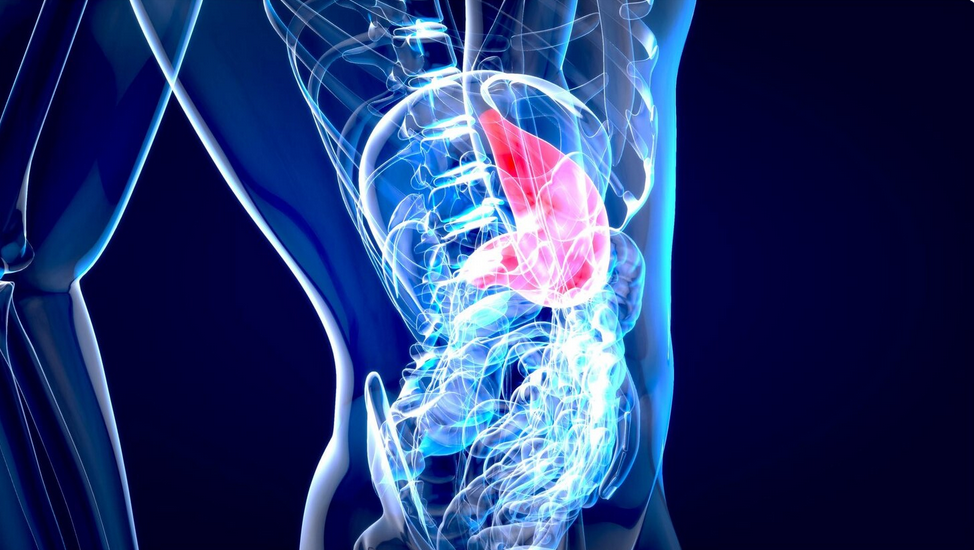
Your body is not defenseless when it comes to eliminating toxins. The liver, kidneys, lungs, and skin work together continuously to filter out waste and harmful substances. The liver breaks down chemicals, the kidneys flush them out through urine, and the digestive system removes what remains. These natural processes are incredibly efficient when supported by a healthy lifestyle. Unless you have a medical condition affecting these organs, your body does not need an expensive detox plan to do its job. Drinking plenty of water, eating balanced meals, and getting enough rest are far more effective ways to support your body’s natural detoxification.
The Myth Behind Detox Diets
Many commercial detox programs promise fast results through juice-only plans, supplements, or fasting. While these approaches may cause short-term weight loss, most of that reduction comes from water and muscle rather than fat. Once regular eating resumes, the weight typically returns. In some cases, extreme cleanses can even cause harm by depriving the body of essential nutrients and slowing metabolism. The human body does not store toxins the way these products claim, so there is nothing to flush out. The only thing you will lighten is your wallet. Consistent healthy eating provides better long-term benefits without the false promises.
The Placebo Effect and Perceived Benefits
Supporters of detox plans often claim they feel lighter, more energized, and mentally clear afterward. These feelings can be real, but they usually come from cutting out processed foods, alcohol, and sugar rather than any special cleansing formula. The sense of improvement is more psychological than physical. That does not make it worthless, though. Sometimes a short reset can motivate better habits. However, you can achieve the same sense of renewal by focusing on whole foods, proper hydration, and good sleep instead of purchasing expensive detox kits.
When Detoxing May Be Necessary

In some situations, medical detoxification is essential, such as when treating drug or alcohol dependence. This is a controlled medical process that helps clear harmful substances from the body safely. It should not be confused with over-the-counter detox products or fad diets. If you ever feel that you need a reset, the safest choice is to talk to a healthcare professional. They can guide you in ways that genuinely support your body’s natural cleansing systems without unnecessary risks or costs.
Detoxing, as promoted by the wellness industry, is more marketing than science. Your body already knows how to cleanse itself effectively when given proper care through nutrition, hydration, and rest. While detox plans might create short-term psychological satisfaction, they cannot replace sustainable, healthy habits. Before spending money on the next trendy cleanse, remember that the most powerful detox method comes from consistent everyday choices that keep your body functioning exactly as nature intended.
